Social Icons

Showing posts with label Science G4. Show all posts

Thursday, November 14, 2024

Type of the Clouds - Science G4


Cirrus
. The word cerus means "cark Cirrus cloods (1) are thin and featherlike Because they are very high in the sky, they are made entirely of ice crystals and air. Cirmus clouds look hazy and delicate. Ustr ally they appear in dry avather, but they often mean that a storm ix on its way Cumulus, Cumulus clouds (2)are the large, puffy clouds that you often see on hot summer afternoons They have flat bottoms and high. domed tops like heads of cauliflower Usually cumulus clouds are bright white and appear during fair weather, but sometimes they become thick, heavy, and dark. Then they are called thunderbeads because of the heavy rain, thunder, and lightning that they bring. Stratus. Stranis clouds (3) are thick layers of clouds that look like a blanket. They are flat and often gray, and they frequently bring drizzling rain or fine snow. They are fairly low clouds. Fog (4) is a stratus cloud that is very close to the earth's surface.

Friday, November 24, 2023

Science G4 Summary - Semester 1 (Updated)

Matter is anything that takes up space and has mass. Science is s search for the laws of nature and for ways to use them for the benefit of mankind. Scientist is the name of a person who spends his/her time trying to learn about the things God made. Four way how do scientist learn: 1. They observe; 2. Gather information and try to think clearly; 3. They try to make sensible guesses, or hypotheses; 4. They test their hypothesis with experiments to see whether they are correct. Observation means looking carefully at something

Vertebrate is animals with backbones. Invertebrate is animals without backbones. Exoskeleton is the external skeleton. When an insect outgrows its exoskeleton and grows a new exoskeleton under the old one and crawls out of the old skeleton called moulting. All the 3 body part of insect: head, thorax, and abdomen. Scientist call a caterpillar is larva. Some other differences between butterflies and moths: Moths have a stout body, while butterflies have a slender body. A metamorphosis is a change in form. Four stages of complete metamorphosis start from egg, larvae, pupa, adult. The state of law of biogenesis is life can only come from other life.

Hypothesis is a reasonable or sensible explanation of something based on observation of that thing. Experiment is a planned way to test a hypothesis. Camouflage is a disguise that causes people or animals to blend in with their surroundings. When a harmless animal looks like a harmful one it's called mimicry. 5 way that insects communicate: sight, smell, touch, dancing, sound. Photosynthesis is the process by which green plants use the energy of sunlight to change water and carbon dioxide into sugars to make food. 

Chlorophyll is the green coloring matter that green plants use to manufacture their own food. The part of the flower are: petal, sepal, stamen, and  pistil. The 3 main part of a seed are: embryo, seed coat and stored food (cotyledon). Three things must seed have in order to germinate are: water, oxygen, and the right temperature. The life-saving antibiotic is produced from a green mold-penicillin. The poison found in tobacco plant is nicotine

To move from one place to another with the change of seasons called migrate. The bird's voice box called syrinx. (Final result experiment picture, a simple paper rocket project). in order to fly high, you must use rubber band.


Monday, February 7, 2022

Comprehension Check 6.3 - Science G4

1. What are the three main parts of the human ear?

the outer ear, the middle ear, and the inner ear


2. auricle-the fleshy part of the outer ear 

eardrum-thin membrane separating the outer ear from the middle ear

cochlea-a snail-shaped organ which contains the actual organ of hearing

auditory nerve-the nerve that carries the message of sound to the brain


3. Snakes do not have eardrums. How do sound waves get to their inner ears?

through the bones in their skulls


4. What is the only class of animals which has auricles?

mammals


5. 

1. auditory canal

2. auricle

3. stirrup

4. eardrum

5. anvil

6. hammer

7. cochlea

Thursday, November 8, 2018

Science G4 Semester 1 – V2.0 Summary

Chapter 1 - Science

Science is the study of the wonders of the universe. Scientist is a person who spends time trying to learn about things God has made. Observation is looking carefully at something. Scientist who studies insects and similar creatures called entomologists.
Four ways how scientists learn.

  1. They look carefully. They observe.
  2. They gather information and try to think clearly.
  3. They try to make sensible guesses, or hypotheses
  4. They test their hypotheses with experiments to see whether they are correct


Chapter 2 - Insects
For an insect, it must have three special characteristics: Three body parts, exoskeleton, and six legs. The hard coat of armor that protects the tiny body parts of insects is called an exoskeleton. All insects do not have lungs, they breathe with breathing tubes. The oxygen enters the tubes through tiny holes called spiracles.

Every insect have three main body parts. Caterpillar does not have it; we called it insect because caterpillar is a baby insect. Scientists call a caterpillar as larva. Most insects have a pair of compound eyes, large eyes which are made up of many small eyes. Crickets are most active after dark; that is, they are nocturnal. Crickets, like all other insects, are coldblooded.

A predator is an animal that captures and feeds upon other animals.A disguise that causes people or animals to blend in with their surrounding is called camouflage. All insects have ways of communicating with other insects. They communicate with sight, smell, touch, dancing, and sound.,An insect’s exoskeleton is lighter and stronger than bone.

When an insect outgrows its exoskeleton, it grows a new exoskeleton under the old one and the crawls out of the old skeleton. This process is called molting. Coldblooded means that an insect’s body temperature changes as the outside temperature changes.

Chapter 3 - Plants

Parasite is an animal or plant that attaches itself to another animal or plants and feeds on it. When a green plant makes its food by photosynthesis, it takes carbon dioxide from the air and puts oxygen back in to the air. Many trees grow a new layer of wood each year. Those layers are called annual ring.

Most needle-leaf trees that live in regions that have changing season are evergreen. Every seed contains a new, living plant. As the insect travels from flower to flower, it moves pollen from the stamens to the pistils. Scientist calls this process pollination.

The stem of the tree is its tree trunk. Every seeds has three main parts the embryo, the stored food, and seed coat. The insects travel from flower to flower. Scientist call this insects that help flower is pollinator.


Chapter 4 - Birds
Blue jay probably the most intelligent of the birds. Swimming birds, such as ducks and geese, always have their paddles called webbed feet.

Habitat is a type of area where an animal lives (forest, river, desert). Birds also do the regular seasonal movement, they are migration. Migrate mean to move from one place to another with the change of seasons

Chapter 5 - Matter
Three fourths of the earth’s surface is covered with water. Clouds made of water and air. Potential energy is stored energy. Matter is anything that takes up space and has weight. The particles which make up molecules are called atoms. When two of hydrogen molecule and one of oxygen molecule join together; they make a water molecule. Matter can exist in three states or forms.
An example for every form:

  • Solid (ice, rock, table, chair, ball)
  • Liquid (water, oil, sea)
  • Gas (water vapor, CO2, O2, Nitrogen)

The visible blanket of air which completely surrounds us called atmosphere. Air is mixture of colorless, odorless, tasteless gases. We cannot see, smell, or pick up a piece of air; but air is there. We can feel when it moves, and we can hear some of the effects of moving air.


Monday, November 14, 2016

Science G4 Semester I - Summary 2016

Chapter 1 - Science
1.    Science is the study of the wonders of the universe.
2.    Scientist is a person who spends time trying to learn about things God has made.
3.    Observation is looking carefully at something.
4.    Stientist who study insects and similar creatures called entomologists.
5.    Briefly list the four ways how scientists learn.
1 They look carefully. They observe.
2 They gather information and try to think clearly.
3 They try to make sensible guesses, or hypotheses
4 They tyest their hypotheses with experiments to see whether they are correct
Chapter 2 - Insects
6.    For an insect, it must have three speciall characteristics: Three body parts, exoskeleton, and six legs.
7.    The hard coat of armor that protects the tiny body parts of insects is called an exoskeleton.
8.    All insects do not have lungs, they breath with breathing tubes. The oxygen enter the tubes through tiny holes called spiracles.
9.    Every insects have three main body parts. Caterpillar does not have it, we called it insect because caterpillar is a baby insect.
10.    Scientists call a caterpillar as larva.
11.    Most insects have a pair of commpund eyes, large eyes which are made up of many small eyes.
12.    Crickets are most active after dark; that is, they are nocturnal.
13.    Crickets, like like all other insects, are coldblooded.
14.    A predator is an animal that captures and feeds upon other animals.
15.    A disguise that causes people or animals to blend in with their surrounding is called camouflage.
16.    All insects have ways of communicating with other insects. They communicate with sight, smell, touch, dancing, and sound.
17.    An insect’s exoskeleton is lighter and stronger than bone.
18.    When insects outgrows its exoskeleton, it grows a new exoskeleton under the old one and the crawls out of the old skeleton. This process is called molting.
19.    Coldblooded means that an insect’s body temperature changes as the outside temperature changes.
Chapter 3 - Plants
20.    Parasite is an animal or plant that attaches it self to another animal or plants and feeds on it.
21.    When a green plant makes its food by photosynthesis, it takes carbon dioxide  from the air and puts oxygen back in to the air.
22.    Many trees grow a new layer of wood each year. That layers are called annual ring.
23.    Most needleleaf trees that live in regions that have changing season are evergreen.
24.    Every seed contains a new, living plant.
25.    As the insect travels from flower to flower, it moves pollen from the stamens to the pistils. Scientist call this process pollination.
26.    The stem of the tree is its tree trunk.
27.    Every seeds has three main parts the embryo, the stored food, and seed coat
28.    The insects travel from flower to flower. Scientist call this insects that help flower is pollinator.


Chapter 4 - Birds
29.    Blue jay probably the most intelligent of the birds.
30.    Swimming birds, such as ducks and geese, always have their paddles called webbed feet.
31.    Habitat is a type of area where an animal lives (forest, river, desert)
32.    Birds also do the regular seasonal movement, they are migration. Migrate mean to move from one place to another with the change of seasons
Chapter 5 - Matter
33.    Three fourths of the earth’s surface is covered with water.
34.    Clouds made of water and air.
35.    Potential energy is stored energy
36.    Matter is anything that takes up space and has weight.
37.    The particles which make up molecules are called atoms.
38.    When two of hydrogen molecule and one of oxygen molecule join together; they make a water molecule.
39.    Matter can exist in three states or forms. Name it and give an example for every forms!
a.    Solid (ice, rock, table, chair, ball)
b.    Liquid (water, oil, sea)
c.    Gas (water vapor, CO2, O2, Nitrogen)
40.    The visible blanket of air which completely surrounds us. Air is mixture of colorless, odorless, tasteless gases. We can not see, smell, or pick up a piece of air; but air is there. We can feel when it moves, and we can hear some of the effects of moving air.

Wednesday, August 24, 2016

Chapter Chekup p.45 for Science G4


"Insect: Miniature Marvels of Creation"

http://easyscienceforkids.com/wp-content/uploads/2013/04/moth-butterfly-differences.jpg
Section B
  1. Abdomen: the part of the insect's body containing the heart and stomach.
  2. Antennae: feelers, or sense organs
  3. Exoskeleton: the hard outer covering of insects.
  4. Head: the part of the insect's body containing the brain, antennae, eyes and mouth.
  5. Ovipositor: an insects egg-laying organ
  6. Sensilla: tiny hairs for hearing and sensing
  7. Spiracles: holes in an insect's body for breathing
  8. Thorax: the part of the insect's body where wings and legs are attached
Section C
  1. Camouflage: a disguise that causes people or animals to blend in with their surroundings.
  2. Cocoon: a silk case covering a moth lava
  3. Chrysalis: a hard case covering a butterfly lava
  4. Hibernate: to spend the winter sleeping
  5. Larva: the second stage of complete metamorphosis; 
  6. Molt: to shed the outer covering
  7. Nymph:  a young insect which looks almost like the adult
  8. Parasite: a plant or animal that lives off another.
  9. Predator: an animal that capture and eats other animals
  10. Pupa: an insect in the stage between larva and adult
Section D
  1. Burying beetle burying dead animals.
  2. Ant keep "cow" for the nectar they give.
  3. Whirligig beetle has two pairs of compound eyes.
  4. Giant water bug lays her egg on her husband's back. 
  5. Honey bee communicates food sources by doing a dance.
  6. Monarch butterfly, milkweed beetle tastes bitter.
  7. Caddis worm carries its house around.
Section E 
This is example of two insect 
  1. Monarch butterfly, painted lady butterfly (migrate long distances)
  2. Honey-bees, hornets, yellow jackets protect themselves by their stings.
  3. Stinkbugs, lacewings, and carrion beetles protect themselves by  letting off a foul odor.
  4. Termites, social wasps (hornets, yellow jackets, and paper wasps) chew wood.
  5. Viceroy butterfly, tiger swallowtail caterpillar pretend to be harmful.   

Wednesday, May 11, 2016

Science Summary 2nd Semester for Grade 4 (Updated 2025)

Three forths of the earth is covered by oceans, lakes and rivers.
When a cloud is so low that it is at ground level, we call it fog.

A stratus cloud that is very close to the earth's surface. They are flat and thick layers of clouds that look like a blanket.

Matter is anything that takes up space and has weight.
A molecule is the smallest piece of a substance that still has all the qualities of that substance.

Every water molecule is made of two atoms of hydrogen and one atom of oxygen (H2O).
Molecules in solids are packed very close together.
Matter that has no shape and does not fill up a certain amount of space is a gas.

Matter that has no shape and does not fill up a certain amount of space is a gas. Many gases are colorless. Air is a mixture of gases.
Molecules in gases are far apart and are the fastest moving molecules.

Because water has such a high degree of surface tension, objects which are heavier than water will float on the surface unless the surface film of the water is broken.
When solids are heated, the molecules begin to move more rapidly.

212 degrees Fahrenheit (100 degrees C)is the boiling point of water.
Water that is colder than 32 degrees Fahrenheit (0 degrees C) has completely changed to a solid - ice.

Energy is the ability to do work. Force is a push or a pull on an object. Gravity is the force which draws things down toward the center of the earth. In order for you to lift something, you must exert more force than gravity does on that object.

Nitrogen makes up most of the air. Air is made up of 78% nitrogen .
The weight of all the air in the atmosphere creates pressure as it presses down. Air pressure is greatest close to the surface of the earth.

The air surrounding the earth goes up to about 1000 miles above the Earth. Earth's gravity holds the atmosphere in its place and keeps air from floating off into outer space.

The earth and its atmosphere are constantly exchanging water. As water moves from the earth to the air and back again, it changes from a liquid to a solid or a gas. This process is called the water cycle.

The amount of water vapor, or humidity, in the air is changeable. The process by which liquid water becomes water vapor is called evaporation. The word relative humidity is used to describe the amount of water vapor in the air in relation to the temperature.

Because cool air cannot hold as much water vapor as warm air can, the water vapor begins to turn back into very tiny droplets of liquid water. This process is called condensation.

The temperature at which water condenses is called the dew point.
Any form of water which falls from the clouds to the earth is called precipitation. When falling rain or melted snow passes through a layer of very cold air, it freezes into little, hard, solid balls of ice called sleet.

The water droplets evaporate, and the vapor freezes into tiny crystals of ice. As more vapor continues to freeze, the ice crystals join together. This forms a snowflake. Hail is particles of ice which fall from the sky during some thunderstorms.

Nimbus means "rain," or "storm". Nimbostratus clouds are dark, gray sheets of rain clouds. Air mass is a large body of air which has the same temperature and humidity.

Equator: The imaginary line around the earth that is exactly halfway between the North and South Pole. A half of a sphere called hemisphere. Sphere, round like a ball.
Circumference is the distance around outside of an object, and the distance across the center of a circle called diameter. Rotation is the spinning motion of the earth.

The imaginary line that runs through the earth from Pole to Pole called Axis. To move in a circle around another object: Revolve.
Orbit is the pathway which the earth follows.

Pacific ocean: Largest and deepest ocean.
Atlantic ocean: The saltiest ocean.
Indian ocean: The warmest ocean.
Artic Ocean: The coldest and smallest ocean.

Continent: A large area of land rising out of the oceans.
Asia: The largest continent.
Australia: The smallest continent, known as "Island Continent"
Geologists: Scientists who study the earth.

Delta is a deposit of sand and soil, usually in a triangular shape, at the mouth of some rivers.
Salmon, a fish that leaves the ocean and goes to the stream where it was born to lay its eggs.
Wind causes what to happen in the water? waves.
Blue Whale, Dolphin, Porpoise are mammals

North Star is a star used to find direction because it is the brightest and is directly above the North Pole. Southern Cross is the most famous smallest constellations that points to the South Pole.
Sun is the closest star makes it appear brighter than any other star.
Day of creation that God created the moon, stars, and sun: day 4.


Friday, April 29, 2016

Special Homeworks


Dear students, this is a special homework only for Grade 2 up to 5:
  1. Please do your homework for additional point in your Science progress report.
  2. Prepare the simple materials. You don't have to buy the new one if you have the old.
  3. While you are doing your experiments, Take a picture or video each step and the result..
  4. Make a science experiment report.
  5. Submit your homework at the latest on May 21, 2016!


Grade 2 - Air Pressure Experiment
  1. Does Air Have Weight?
    To begin these air pressure experiments wave your hand back and forth in the air. It's easy to move your hand around because air pressure is pressing onto your hands in all directions. Air actually weighs 14.7 pounds per square inch at sea level. That means that every square inch of your body is being pressed on by 14.7 pounds of pressure.
  2. Materials
    Balloons
    String
    Scotch tape
    Ruler(stick or clothes hanger may also be used
    Needle or sharp pin 
  3. How to do:
    Cut three strings approximately 12 inches long.
    Blow up two balloons so they are the same size. Tie a string to each balloon.
    Tie one of the balloons to each end of the ruler tight enough so the string will not slip.
    Tie a string loosely around the center part of the ruler so that you can slip the knot back and forth until the balloons are balanced.
    Tape the string in place so it will not move when the balloon is deflated. Prick one of the balloons with a needle or sharp pin.
    Watch how the ruler moves upward on the side where the balloon was deflated. If this does not happen it might be because the center string was not tight enough and moved when the balloon was deflated.
    Try the experiment several more times to see if the experiment works consistently. This is the way real scientists do their work. They test their hypothesis several times to make sure the same thing happens consistently.
  4. Extending the experiment
    Try these air pressure experiments. Balance two deflated balloons on a ruler or stick. Take one balloon off the stick and inflate it. Return the balloon to see what happens. Try balancing several balloons on a yard stick. When you have the yardstick in balance. Predict what you think will happen if you deflate all the balloons, one at a time, from left to right. After writing down your prediction, try this air pressure experiment.

Grade 3 - Salt Crystals Project
  1. Can you grow Your own salt crystals?
    Have fun growing your own salt crystals with this simple project. You can do further research with a microscope in KiCS  LAB once you’re finished. Crystals are beautiful to look at and you might even want to start your own collection.
  2. What you'll need:
        A jar
        Water
        About half a cup of salt
        A spoon for stirring
        String
        Scissors
        2 toothpicks
  3. How to do:
        Fill the jar with water.Add about half a cup of salt to the water.
        Mix the solution together with a spoon.
        Cut a piece of string with scissors and tie each end to a toothpick.
        Place the string over the top of the jar so that the string dangles into the middle of the solution and the toothpicks hang over the edge.
        Don’t forget to clean up when you’ve finished.
  4. Observation:
    Crystals can be found grouped together as lots of small crystals or as huge individual crystals. When you look at your crystals, you can examine the differences between them: Are they perfectly formed? What shape are they? What color? Can you see any microorganisms on the crystals?
  5. How it Happens? Write in your science experiment report!

Grade 4 - Ice Cube Experiment
  1. The Lifting Ice Cube experiment demonstrates the melting and freezing properties of water, which results to another property of matter called adherence. Adherence refers to close physical attachment or union of two objects. To further understand this phenomenon, let us do your science experiment!
    The Lifting Ice Cube experiment demonstrates the melting and freezing properties of water, which results to another property of matter called adherence. Adherence refers to close physical attachment or union of two objects. To further understand this phenomenon, let us do your science experiment!
  2. In this experiment, you will need the following materials:
        Glass of water
        Ice cubes
        String
        Salt
  3. How to do
    Drop an ice cube in the glass of water. Take the string and dangle the end of it on the ice cube, and then keep it still.
    While the string is dangled down onto the ice cube, sprinkle a bit of salt on the ice cube.  Set aside for a few minutes. After some time, try to lift the string and observe what happens to the ice cube.
  4. How it Happens? Write in your science experiment report! ..
Grade 5 - Make a teabag fly
You'll never look at teabags in the same way again
  1. Construct a rocket from a tea bag? Well you can and it’s easy!
    But be warned - it isn’t quite as spectacular as a NASA shuttle launch.
    Remember - always ask an adult for help with matches and don't do this experiment near any flammable materials.
  2. Materials:
        Tea bag (must be stapled at the top)
        Matches or lighter
        Non-flammable plate or ceramic plate
        Water or fire extinguisher (just in case!)
  3. How to do:
        Remove the staple, label and string from the teabag.
        Pour the tea into a bin.
        Unfold the teabag.
        Turn the teabag into a cylinder - make sure there's a space in the centre. You can use your finger if that helps.
        Stand the cylinder on one end on a plate. Make sure it's on a flat surface.
        Use a lighter or match to set the top of the teabag cylinder on fire.
  4. What will happen and how it happens? Write in your science experiment report
   Remember! 
  1. Take a picture or video each step and the result.
  2. Make a science experiment report.
  3. Submit your homework at the latest on 11 May 2016!

Tuesday, March 15, 2016

You Rock!


There are three basic kinds of rocks: igneous, sedimentary, and metamorphic rocks.

  1. Igneous Rocks: Igneous rocks are formed when lava or magma cools down and becomes a solid.
  2. Sedimentary Rocks: Sedimentary rocks are formed when existing rock is eroded and deposited in sediments. The sediments accumulate until they are formed into new rock under pressure, heat, and chemical bonding.
  3. Metamorphic Rocks: Metamorphic rocks are formed when existing rocks are put under heat, pressure, or both. The heat and pressure causes the minerals to change their structure so that new rocks are formed. 
Have fun with this word search. You can memorize your lesson when you find all the hidden words. The clues are all types of the rocks.
Happy study!

http://thewordsearch.com/static/thumb/types-of-igneous-rock.png
Igneous Rocks Word Search
http://thewordsearch.com/static/thumb/types-of-sedimentary-rock.png
Sedimentary Rocks Word Search
http://thewordsearch.com/static/thumb/types-of-metamorphic-rock.png
Metamorphic Rocks Word Search

Thursday, November 12, 2015

Kisi-Kisi Semester 1 (G3-G6)

Kisi-Kisi Science G3


Exploring God's world Wonderfully made, page 2-27
Exploring the plant world, page 28-45
Exploring the world of vertebrates, page 46-65
Exploring the world of invertebrates, page 66-83
Exploring the dessert, page 84-89

Kisi-Kisi Science G4

Understanding Science, page 2-14
Understanding Insets, page15-45
Understanding Plants, page 46-75
Understanding Birds, page 76-101
Understanding matter, page 102-130

Kisi-Kisi G5

Science
Investigating nature, page 2-31
The amazing mammals, page 32-73
Let there be the light, page 74-94
Treasures of the earth, page 95-123
IPA

Organ Pernapasan Manusia dan Hewan, hal 2-16
Organ Pencernaan Manusia, hal 22 -  34
Makanan dan Kesehatan, hal  40 - 53
Peredaran Darah, hal 58 - 70
Tumbuhan hijau, hal 76 - 88
Penyesuaian Makhluk Hidup dengan Lingkungannya, hal 92 - 104
Sifat Benda, hal 110 - 121

Kisi-Kisi G6

Science
Plentiful Plant, page 1-22
Observing Invertebrates, page 23 - 45
Forces of the Earth, page 46 - 67
IPA
Ciri-ciri Khusus Makhluk Hidup, hal 2 - 12
Pertumbuhan dan Perkembangan Makhluk Hidup, hal 38 - 62
Keseimbangan Ekosistem, hal 66 - 77
Hewan dan Tumbuhan Langka, hal 84 – 96
Konduktor dan Isolator Panas, hal 102 – 112
Perubahan Benda, hal 118 - 135   

Friday, September 4, 2015

Understanding God's World Ch 3

http://thumbs.dreamstime.com/x/isolated-green-broadleaf-tree-15830855.jpg
broadleaf tree

broadleaf tree
having flat broad leaves
   
oxygen   
a gas which green plants give off into the air during photosynthesis   

photosynthesis   
the process where green plants use the energy of sunlight to change water and carbon dioxide into suger

needleleaf tree   
having very narrow leaves

chlorophyll   
the green coloring matter that green plants use to manufacture their own food   

carbon dioxide   
a gas which green plants absorb from the air   


annual rings

annual rings   
the layers of wood showing the groth of a tree   

embryo   
the plant in a seed
   
seed coat
the protective cover of a seed   

stored food   
nourishes the young plant until it can make its own food
   
roots   
the part of a plant usally underground,that ancors a plant,draws water and minerals from the soil,and stores food   

leaves   
the part of a plant that manufactures food

stems   
the part of a plant that carries water and minerals to the leaves   

flowers   
the seed producing part of a plant   

fruits   
the seed bearing product of a plant   

evergreen   
the tree doesnt loose all of its leaves each year   

conifer   
trees that produce seeds in cones   

pine   
have long thin needles that usualy grow in bundles of 5   


https://www.herbalfire.com/media/catalog/product/cache/1/image/9df78eab33525d08d6e5fb8d27136e95/p/o/poison-hemlock-conium-maculatum.jpg
Poison Hemlock

hemlock   
have very short,flatneedlesgrowing in little stalks on each branch   

fir tree   
have single needles that grow directly on a twig,not on a stalk.the cones grow on topside of a branch.   

pruce tree   
grow in spirals on stalks. the cones grow on thebottom side of the branch.   

deciduous   
the tree loses its leaves in the fall   

oak tree   
have fruits called acorns
   
acorn   
the fruit of a oak tree

elm tree   
trees with small flat seeds   

maple tree   
have leaves that resembel a hand   

palm   
a tree with featherlike leaves   

sepal   
protected the flower when it was a bud   

petals   
help attract incects and birds to the flower   

stamen   
part of a flower that makes pollen   

pistil   
contains undeveloped seeds   

disk flower   
the center of the daisy that contains many, tiny, tube shaped flowers   

ray flower   
the part of a daisy that radiates for the center. Each 'petal' is an individual flower   

fertilize   
the uniting of the undeveloped seeds in the pistil with the pollen. this creates new plants   

pollination   
the process by which pollen is moved from stamens to pistil. this is accomplished by insects   

trunk   
the stem of the tree made of woody fiber   

oxygen   
what a plant puts in the air after photosynthesis. this is what people breathe   

http://www.saintpetersblog.com/wp-content/uploads/2015/05/tumbleweed-capitol.jpg
tumbleweeds
http://sehatnesia.com/isi-sehatnesia/uploads/2015/08/DANDELION.jpg
Dandelion
crown   
the leaves and branches of a tree   

keys   
the fruit of a maple tree. they grow in pairs   

weed   
any plant growing where it is not wanted   

airborne   
the term that describes the movement of seeds by the wind   


Dandelion   
has downy hairs that act like parachutes to disperse its seeds   

tumbleweeds   
carry their seeds across the prairie and scatter them as they go   

dormant   
seeds that are alive but not growing; occurs in winter   

germinate   
another word for sprout; what seeds do in the spring   

primary root   
the first root of a seed   

philodendron   
long, green vine with heart shaped leaves that are green and yellow; it is a poisonous house plant   

Azalea   
a common garden plant that is poisonous   

Poinsettia   
a common plant seen around the holidays with bright red leaves; it is poisonous   

Asparagus   
a vegetable that can be eaten when cut, but should not be eaten raw its berries should never be eaten   

Rhubarb   
commonly used in pies, cakes and sauces, but its leaves are poisonous   

poison ivy   
a poisonous shrub or vie that climbs trees or grows along the ground; it has leaves that grow in groups of 3 varying in shape   

poison oak   
the same as poison ivy in a bushy form   

nicotine   
the poison inside the tobacco plant; many people smoke or chew this   

penicillin   
a life saving antibiotic produced by green mold   

fungi   
plants that do not contain chlorophyll and cannot make their own food   

agriculture   
the science of farming   

George Washington Carver   
a man who loved plants and used his love to teach others about God's wonderful creation   

Science G4, First week on September 2015

Thursday, September 3, 2015

Understanding God's World Chapter 2.8-10

 http://images.sciencedaily.com/2013/01/130129111751_1_900x600.jpg
  1. Name five ways that insects communicate!
    • sight, smell, touch, dancing, and sound
  2. How do honeybees tell their fellow bees where to find a good food supply?
    • by doing a round or waggle dance that tells the direction and how far to travel.
  3. True or False? The giant water bug builds a house which it can carry about with him?
    • false (Its suppose a caddis worm)
  4. True or False? Many insects lay their eggs on or near a source of food.
    • true
  5. True or False? Parasites are animals which attach themselves to and get their food from another animal.
    • true
  6. True or False? Lice are parasites.
    •  true
  7. True or False? Mosquitoes can sometimes be controlled by filling in ponds and pools.
    • true
  8. True or False? The ladybug is a pest because it destroys corps.
    • false (The ladybug is a great help to the farmer)
  9. Why are the lice wingless?
    • because all food they need is right under the hair, feathers, or fur they are clinging to
  10. Name the three social insect!
    1. honeybees,
    2. ants
    3. terimtes
    4. paper wasps, etc
  11. What substance do bees use to make the cells of their hives?
    • Wax
  12. How do wasps make their nests?
    • The wasps chew wood fiber from dead trees or posts and from it into sheets for the nest
 Science G4, First week on September 2015/

Thursday, August 13, 2015

Understanding God's World Chapter 2: Insects

Thorax - The "engine room" of an insect


Mole cricket - The insect with scissors on its front legs


Is an earthworm an insect? How do you know? - No; doesnt have six legs
 
What insect uses its hind legs for oars? - Back swimmer
 
Active after dark - Nocturnal
 

Why is a spider not an insect? -It has more than six legs

To which section of its body are an insects' wings attached? - Thorax

Why are wings important to insects? - Adult insects often must travel long distances to get food or to find the right place to lay their eggs.

Insects that migrate - Butterflies, locusts, ladybugs

Why do you think wings are not necessary for insects like fleas and some grasshoppers? - They have very powerful legs that enable them to travel great distances by jumping.

Three stages of incomplete metamorphosis

1. Egg
2. Nymph
3. Adult


How are crickets and moths alike? Both are nocturnal


Which cricket chirps, male or female?  Male


How are butterflies and grasshoppers alike? Both are active during the day

Body temperature changes as the outside temperature changes - Cold-blooded


Three ways to tell the differences between grasshoppers and crickets
1. Grasshopper's wings meet in a peak like a roof; cricket's lie flat
2. Grasshopper's antennae may be long or short; cricket's antennae are long and slender
3. Grasshoppers are active during the day; crickets at night
 

How can you tell the difference between a male and female cricket?


Male cricket chirps; female has an ovipositor


Predator - An animal that captures and feeds on other animals


Camouflage - Markings on an insect's body that causes them to blend in with their surroundings


Mimicry - A harmless animal looks like a harmful one


Monarch & Milkweed butterflies - Insect that uses bad taste for protection


Insect that uses camouflage for protection - Dead leaf butterfly, measuring worm moth, praying mantis in Thailand


Insect that uses bad odor for protection - Bombardier beetle, stinkbugs, lacewings, carrion beetle


Insect that uses jumping for protection - Grasshopper

Insect that uses chemical defense - Termite, bombardier beetle

Insects that use parts of their body to defend themselves - Jerusalem crickets, giant water bugs, beetles, earwigs, bees, wasps

How does the viceroy butterfly escape its enemies? - It mimics the monarch which is a bad-tasting insect.

What is the defense of the swallowtail caterpillar? - It has patches of color to look like big eyes to scare predators.

How is the dead leaf butterfly camouflaged? - When its wings are folded, it looks like a dead leaf.

Could a viceroy butterfly have decided, thousands of years ago, that it would be a good idea to look like a monarch butterfly and make the necessary changes? - No.

Which insect mimics the yellow jacket? Syrphid fly

How do insects communicate?
1. Sight
2. Smell
3. Touch
4. Dancing
5. Sound


How do honeybees tell their fellow bees where to find a good food supply? By doing a round or waggle dance that tells the direction and how far to travel.

What insects can make sounds like a flute? Males of some fruit flies.

What helps an insect to pick up sound vibrations? The sensilla on its body.

A God-given ability or behavior that is inherited rather than learned called instinct.

What is the name for an insect that lives in the water? Aquatic insect

An animal or plant that attaches itself to another animal or plant and feeds on it called parasite.

The animal or plant that a parasite lives on called host

A chemical used to kill insects: insecticide

What is the difference between a predator and a parasite? Predator captures and feeds on other animals. Parasites attaches itself to a plant or animal and feeds on it.
 
Examples of parasitic insects: Parasitic wasps, mud dauber wasps, lice

Why is it important to control the mosquito population? Mosquitoes carry many diseases

Insect that builds a house which it can carry about with him: Caddis worm

Ladybug is an insect who is a great help to farmers. 

Where do most insects lay their eggs? On or near a source of food

One way to control mosquito populations. Filling in ponds or pools

Tiny hears for hearing and sensing called sensilla

A young insect which looks almost like an adult: Nymph

Compound eyes: The eyes which enable an insect to see in almost all directions at once.
http://weirdandwonderfulwiki.wikispaces.com/file/view/insect1.PNG/369138286/533x374/insect1.PNG 

Friday, July 31, 2015

Breathing Tubes for Insects

Each spiracle connects to an elastic air tube or trachea. Tracheal breathing occurs in some invertebrates other than insects.

Insects do not have lungs as people do. God has designed them with breathing tubes which carry air containing oxygen to their body tissues. The air enters the tubes through tiny holes called spiracles that are found along the side of the body called spiracles.


Insects have spiracles on their exoskeletons to allow air to enter the trachea. In insects, the tracheal tubes primarily deliver oxygen directly into the animals' tissues. The spiracles can be opened and closed in an efficient manner to reduce water loss. This is done by contracting closer muscles surrounding the spiracle. In order to open, the muscle relaxes. The closer muscle is controlled by the central nervous system but can also react to localized chemical stimuli. Several aquatic insects have similar or alternative closing methods to prevent water from entering the trachea. Spiracles may also be surrounded by hairs to minimize bulk air movement around the opening, and thus minimize water loss.      


Science G4, 1st Semester.
First week on August 2015.  

Understanding God's World Chapter - Chapter 2

Antennae

a large "feeler," or sense organ, on the head of insects.

Ants

the bible examples of hard-working insects
 
backswimmer

backswimmer:

swims on its back under the water, using its hind legs for oars.
 
black swallow tail butterfly

Buries dead animals:

Burying Beetle
 
Burying Beetle

camouflage:

a disguise that causes people or animals to blend in with their surroundings

carries its house around:

Caddis worm

Chew wood:

termites and paper wasp

chrysalis:

a hard case covering a butterfly larva

cocoon:

a silk case covering a moth larva

communicates food sources by doing a dance:

honey bee

complete metamorphosis:

of insects, four stages of growth- from egg to larva to pupa to adult

compound eyes:

eyes which enable an insect to see in almost all directions at once
 
crickets

crickets:

are most active after dark, they are nocturnal
 
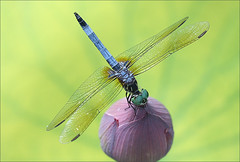
Dragonfly

dragonfly:

have clear wings
 
mole cricket

  every adult has 6 legs attached to its thorax:

mole cricket

exoskeleton

Hard coat of armor that protects the tiny body parts of insects. exo means outside.

experiment

a planned way to test a hypothesis

Feed on other insects

praying mantis, ladybug, and beetles

For an animal to be classified as an insect, it must have 3 special characteristics

1. an outside skeleton or exoskeleton
2. 3 body parts
3. six jointed legs

Four stages of complete metamorphosis

Eggs, Larva, Pupa, Adult
Goliath beetle

Go through complete metamorphosis

flies, moths, and bees

Go through incomplete metamorphosis

milkweed bug, cicada, and praying mantis
 
Grasshopper

grasshopper

When a grasshopper is not flying, its wings meet in a peak on the grasshopper's back like the roof of a house.

Has two pairs of compound eyes

Whirligig beetle

hibernate

to go into a long, deep sleep
 
Honey bee

honey bee

have stingers for protection. They have special baskets on their legs for collecting pollen and carrying it back to their hive.
 
Hornet

hornet

have stingers for protection

hypothesis

a reasonable explanation of something based on observations of that thing; a sensible guess

incomplete metamorphosis

another name for the three stages of insect growth

insecticide

a chemical used to kill insects

The insect's abdomen

The last body part contains the insect's heart and stomach.

The Insect's head

contains the insects brain, antennae, eyes and mouth parts

The Insect's thorax

is the middle body part where the wings and legs are attached

instinct

a God-given ability or behavior that is inherited rather than learned

Invertebrates

Worms, spiders, jellyfish, starfish, and many other creatures are invertebrates - an animal without backbones

Keeps "cows" for the nectar they give

Ants - cowboy
 
Ladybug

ladybug

wide and thick

larva

the second stage of complete metamorphosis of an insect; a caterpillar, grub or maggot

larva

the second stage of complete metamorphosis of an insect; a caterpillar, grub, or maggot

Lays her eggs on her husband's back

giant water bug

Lice

are parasites.

Live in colonies

ant, termites, and bee

Live in the water

backswimmer, caddis worm, and whirligig
backswimmer
 

meadowlark

State bird of Kansas, Montana, Nebraska, North Dakota, Oregon, and Wyoming

Metamorphosis

a change in form

Migrate long distances

Monarch and painted lady butterfly
 
milkweed bug

mimicry

the name for a disguise that makes a harmless animal look like a harmful one
 
mockingbird

mockingbird

State bird of Arkansas, Florida, Mississippi, Tennessee, and Texas

Molting

the shedding of outer skin, scales, feathers, horns, or hair
 

Monarch Butterfly


mosquito


mud dauber wasp

Name the 4 kinds of insect mouths and at least 1 insect for each:

chewing mouth (beetles); sucking mouth (butterfly); piercing-sucking mouth (large milkweed bug); chewing-lapping mouth (bee)

Name the 5 insects that go through complete metamorphosis

Butterflies, moths, beetles, flies, mosquitoes, bees, and wasps

nocturnal

a word describing animals which are most active after dark

nymph

a baby insect that looks almost like its parents

ovipositor

The females of some, like the cricket, have a long, narrow, egg-laying part called the ovipositor. It is not as noticeable on others.

parasite

an animal or plant that attaches itself to another animal or plant and feeds on it
 

praying mantis

Holds it forelegs in what looks like a position of prayer, is actually holding them ready to grab insects to eat

predator

an animal that fees upon other living animals

Pretend to be harmful

vicroy butterfly and tiger swallow tail catepiller

The process called molting

When the insect outgrows its exoskeleton, it grows a new exoskeleton under the old one and then crawls out of the old skeleton.

Protect themselves by their stings

honeybees, hornets, and yellow jackets

pupa

the third or resting stage of complete metamorphosis of an insect
 

robin

State bird of Connecticut, Michigan, and Wisconsin
 

Scissor-Tailed Flycatcher

State bird of Oklahoma

sensilla

tiny sense organs

sensilla

tiny hairs for hearing and sensing

simple eyes

Insects usually have several simple eyes in between their large ones. With these they can see light and movements.

Social insects

They live and work closely together. Their colonies are like small cities with thousands of inhabitants. Example: Ant nests; beehives, and socials wasps or paper nests.

spiracles

the air enters the tubes through tiny holes called spiracles that are found along the side of the body.

State the law of biogenesis

a scientific law which states that life can only come from others life
 

Syrphid fly


termite

terminate soldier shoots a disagreeing liquid out of a hour on the front of its head to discourage enemies from invading the nest.

Three stages of incomplete metamorphosis

Eggs, Nymphs, and Adult

Vertebrates

Animals with backbones, such as dogs, birds, fish, frogs, and lizards

walking stick

What are 4 differences between butterflies and moths?

Moths fly at night/Butterflies fly in the day; Moth's antennas are feathery/Butterflies antennas are thin with a knob; Butterflies fold their wings together when they rest/Moths rest with their wings spread out; the moth's body is thicker than a butterfly.

What are the 5 ways insects communicate?

Dance, Touch, Smell, Sight, and Sound

What does a caterpillar become before it turns into an adult?

pupa

What do scientists call a caterpillar?

a larva
 

whirligig beetle

has 2 pairs of compound eyes. The upper eyes are designed for seeing above water and the lower for seeing under the water. The whirligig can look up and down at the same time.

Who is Jean Henri Fabre

known as the world's greatest entomologist and scientist. He discovered the importance of instinct in insects and described very carefully how insects behave together

Why are lice wingles?

because they do not need to travel - all the food they need is right where they live.
 

woolly bear

the catepiller is covered with a thick, hairy coat divided into 3 bands of color, black on each end and reddish brown in the middle.

Science G4, 1st Semester.
First week on August 2015.  
 
Blogger Templates